- DataMigration.AI
- Posts
- Your Cloud Data Is Siloed and Bleeding You Dry
Your Cloud Data Is Siloed and Bleeding You Dry
$156B Global Cloud Market.


Shen Pandi & Damian - Data Migration Expert
May 07, 2026
What’s in it?
Your retail data is already generating millions in value; you just cannot access it
Cloud migration alone will not save you if your data is still siloed and disconnected
Fragmented data is quietly compounding inventory losses, churn, and bad expansion bets
The retailers winning right now unified their data first, before the next disruption hit
Every quarter you wait, your competitors are building a data advantage you cannot close
Cloud adoption is rising across the industry. But most retail organizations are still making decisions in the dark. Here is what nobody is telling you, and how to fix it.
The Quiet Crisis Draining Retail Organizations Right Now
Right now, your organization is sitting on one of the most valuable assets in the modern economy. You have customer transaction records, inventory movement data, in-store behavior signals, and digital engagement metrics flowing in every single day.
And almost none of it is talking to the rest of it. That is not a technology problem. That is a data management problem. And it is quietly costing retail organizations more than any of their external competitors ever could.
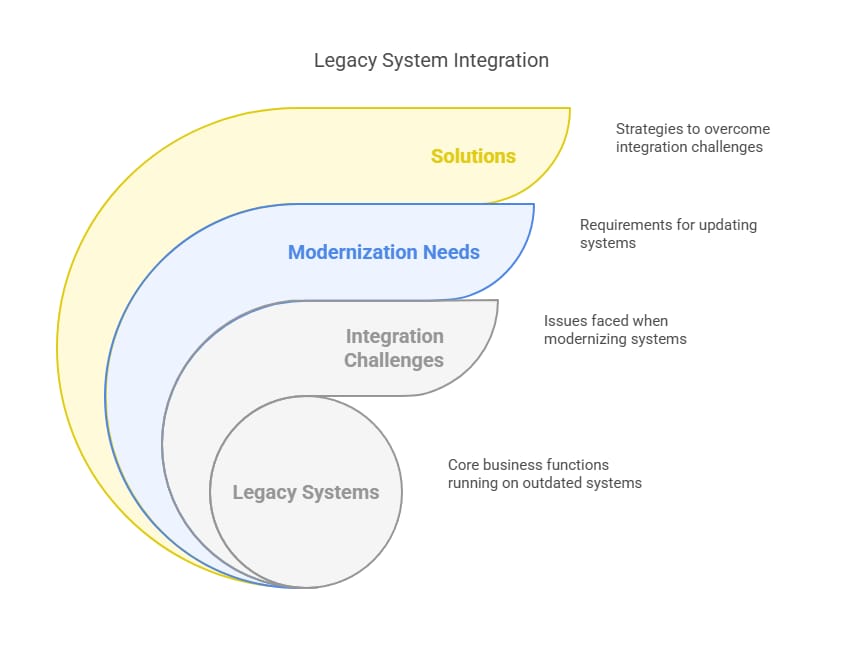
This is not a rare edge case. This is the operational reality for most retail organizations managing scale right now. And the window to fix it is narrowing faster than most leaders realize.
The part that makes this genuinely surprising is that most of these organizations have already invested in cloud infrastructure. They moved their systems. They signed the contracts. They ran the migrations. And the data fragmentation problem is still there, just hosted in a more expensive environment now.
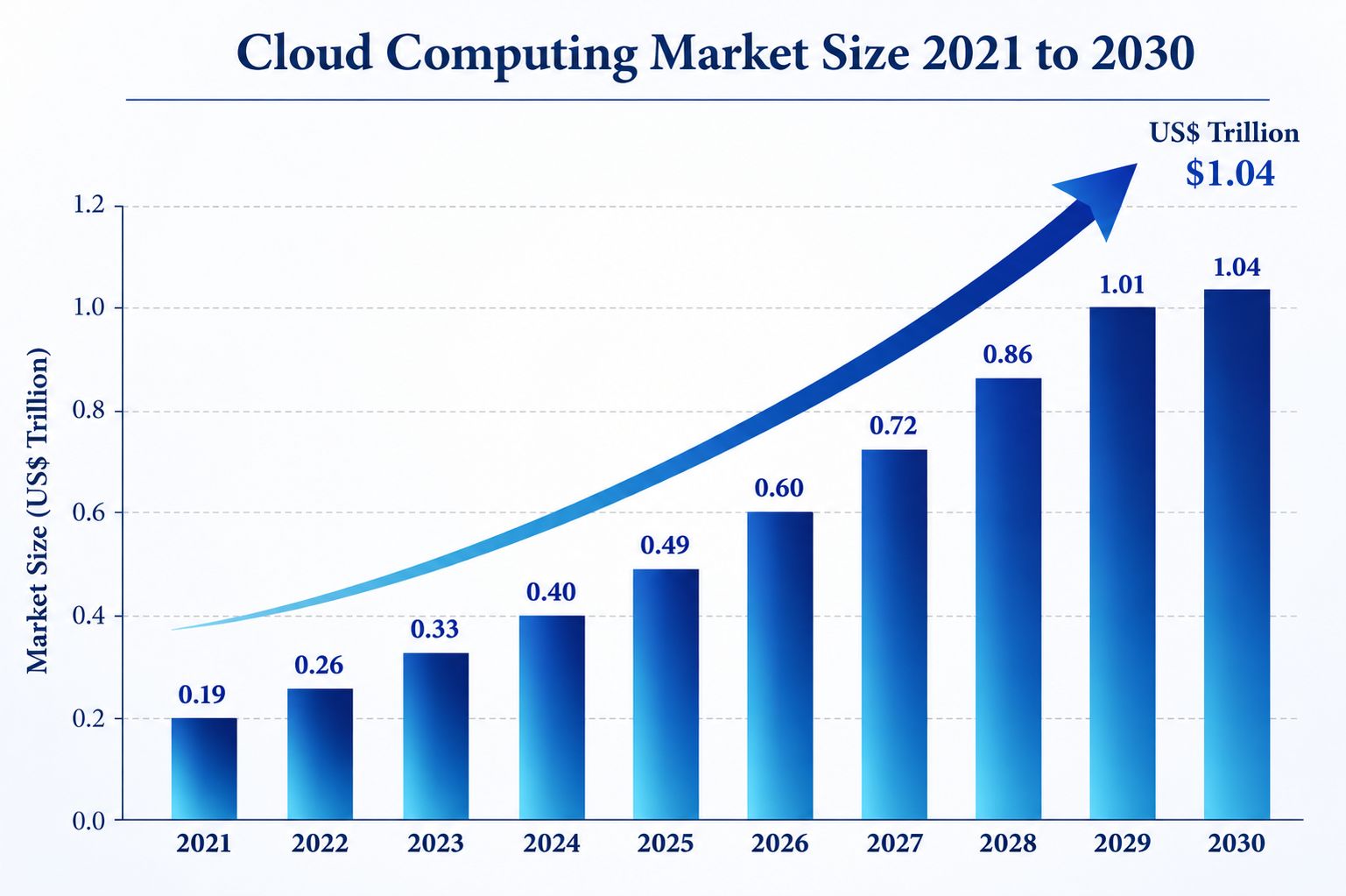
$156B projected global retail cloud market size by 2030, up from $57 billion today. The infrastructure investment is accelerating. The data management investment is not keeping pace.
The Cloud Adoption Wave Is Real. But Most Retailers Are Still Flying Blind.
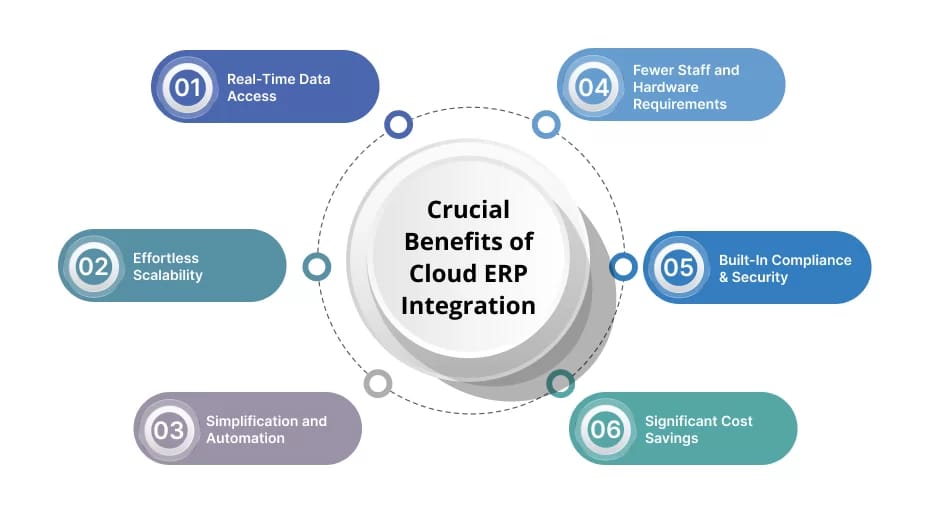
The momentum around cloud adoption in retail is not manufactured. The spending is real, the migrations are underway, and the infrastructure benefits are measurable: reduced hardware costs, elastic scalability during peak-demand seasons, improved team collaboration, and stronger disaster-recovery capabilities.
But there is a critical distinction that most adoption narratives skip over entirely. Moving your systems to the cloud is not the same thing as making your data intelligent. Scalable infrastructure and unified, actionable data are two completely separate problems, and solving the first one does not automatically address the second.
You can migrate every system in your organization to a cloud provider and still be operating on fragmented, disconnected data sets that tell you nothing useful when you need a decision in the next four hours. The cloud gives your organization capacity. What you actually need is clarity, and capacity does not deliver clarity on its own.
Cloud platforms enable your teams to access systems from anywhere, collaborate across locations without friction, and scale computing resources during periods of high demand. Those benefits are real, and they are worth pursuing. But they are table stakes in 2025. The organizations pulling ahead are already solving what comes next, and what comes next is unified data intelligence.
Your Competitors Are Already Acting on Their Data
Find Out How Retail Organizations Connect Every Data Source, Eliminate Blind Spots, and Cut Decision Time in Half
Why Your Data Is Quietly Working Against You Instead of For You
When your customer data, inventory data, and operational data live in separate systems with no unified layer connecting them, your organization is not running one business. It is running three or four separate businesses that happen to share a brand name and a balance sheet.
Your marketing team is running campaigns based on last month's purchase behavior. Your supply chain team is reordering based on a quarterly snapshot. Your leadership team is reviewing dashboards that were assembled manually by someone who pulled from four different sources and still had to make judgment calls about which numbers to trust.
The pace at which consumer preferences shift has accelerated sharply. Social media trends can reshape an entire product category within 72 hours. A viral moment can spike demand for a specific SKU overnight with no warning from any legacy forecasting model. If your data infrastructure cannot match the speed at which the market moves, you will consistently make yesterday's decisions about tomorrow's challenges.
And here is the thing that most organization leaders already know but have not yet found time to solve: the retailers pulling ahead are not winning because they have more data than you do. They are winning because they have faster, cleaner access to their data, and they built the infrastructure to turn a signal into a decision within hours rather than days.
The Compounding Cost of Doing Nothing That Nobody Puts in the Board Deck
Fragmented data does not just create operational inconvenience. It creates compounding financial damage that accumulates quietly until it becomes a crisis that is expensive and disruptive to reverse.
Your Inventory Forecasting Is Bleeding Money Every Quarter
Your demand forecasting accuracy erodes when it is built on delayed, siloed snapshots rather than real-time signals across channels. You overstock products that are fading from relevance. You run out of products that are trending. That inventory inefficiency compounds across every SKU and every location, eroding margins faster than almost any external competitive pressure could.
Your Customer Retention Is Generic Because Your Data Is Incomplete
Your retention efforts stay broad because you cannot build a complete, unified profile of who your customer actually is across channels. You know what they purchased. But you do not know when they almost bought something different, what brought them to your brand in the first place, or what early signal predicted they were about to stop buying entirely.
Your Expansion Decisions Are Built on a Partial Picture
Entering a new market, launching a product line, opening a new location: all of these carry natural business risk. Fragmented and delayed data amplifies that risk dramatically because the intelligence informing those calls is incomplete. Your assumptions are built on a partial picture, and partial pictures lead to expensive miscalculations.
And across every department, your teams are burning hours each week manually pulling, cleaning, and reconciling data just to answer questions that should take seconds. That is not just an efficiency problem. That is a talent retention problem, a culture problem, and a competitive disadvantage that compounds with every passing quarter.
Inventory forecast errors at scale can represent 3 to 8% of annual revenue in unnecessary overstock and lost sales combined
Retail organizations with unified customer data see meaningfully higher repeat purchase rates compared to those relying on siloed CRM records
Manual data consolidation tasks consume an estimated 30 to 40% of analyst and operations team capacity that could be directed toward strategic work
Delayed supply chain signals increase exposure during disruption events, with siloed organizations typically responding 2 to 3 days slower than unified-data counterparts
How Our Platform Solves This
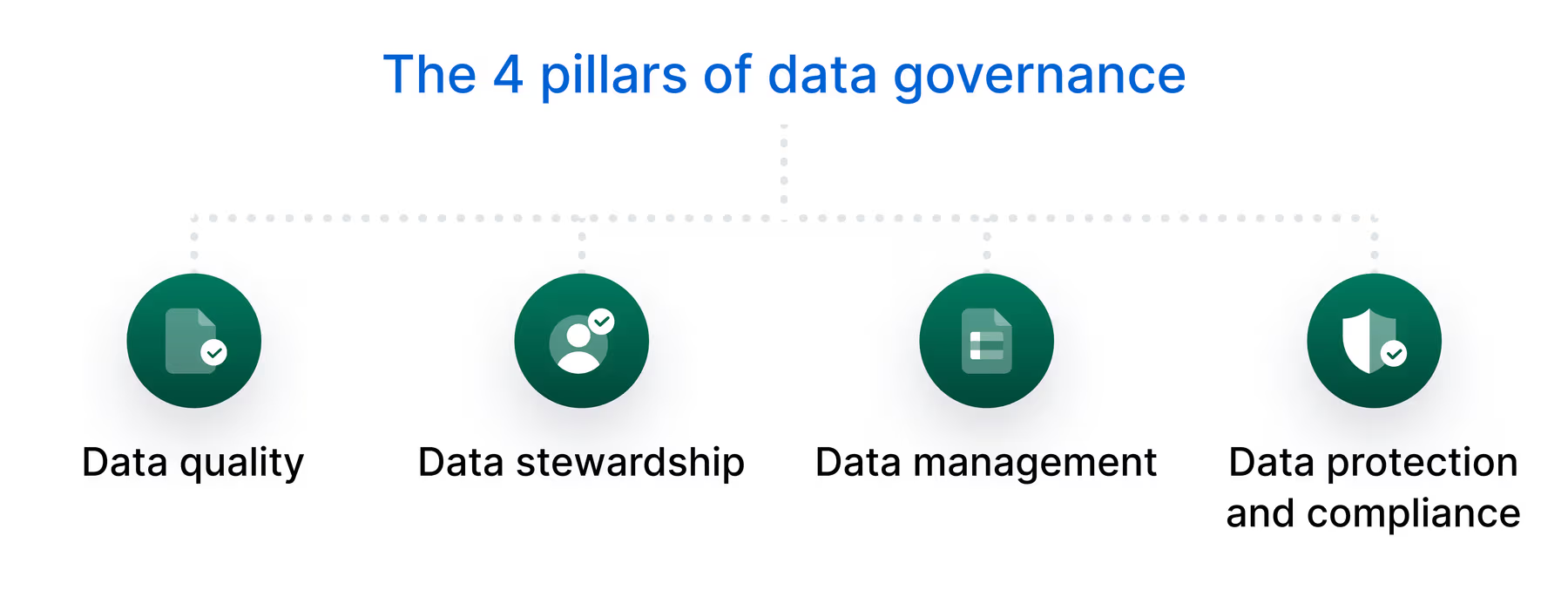
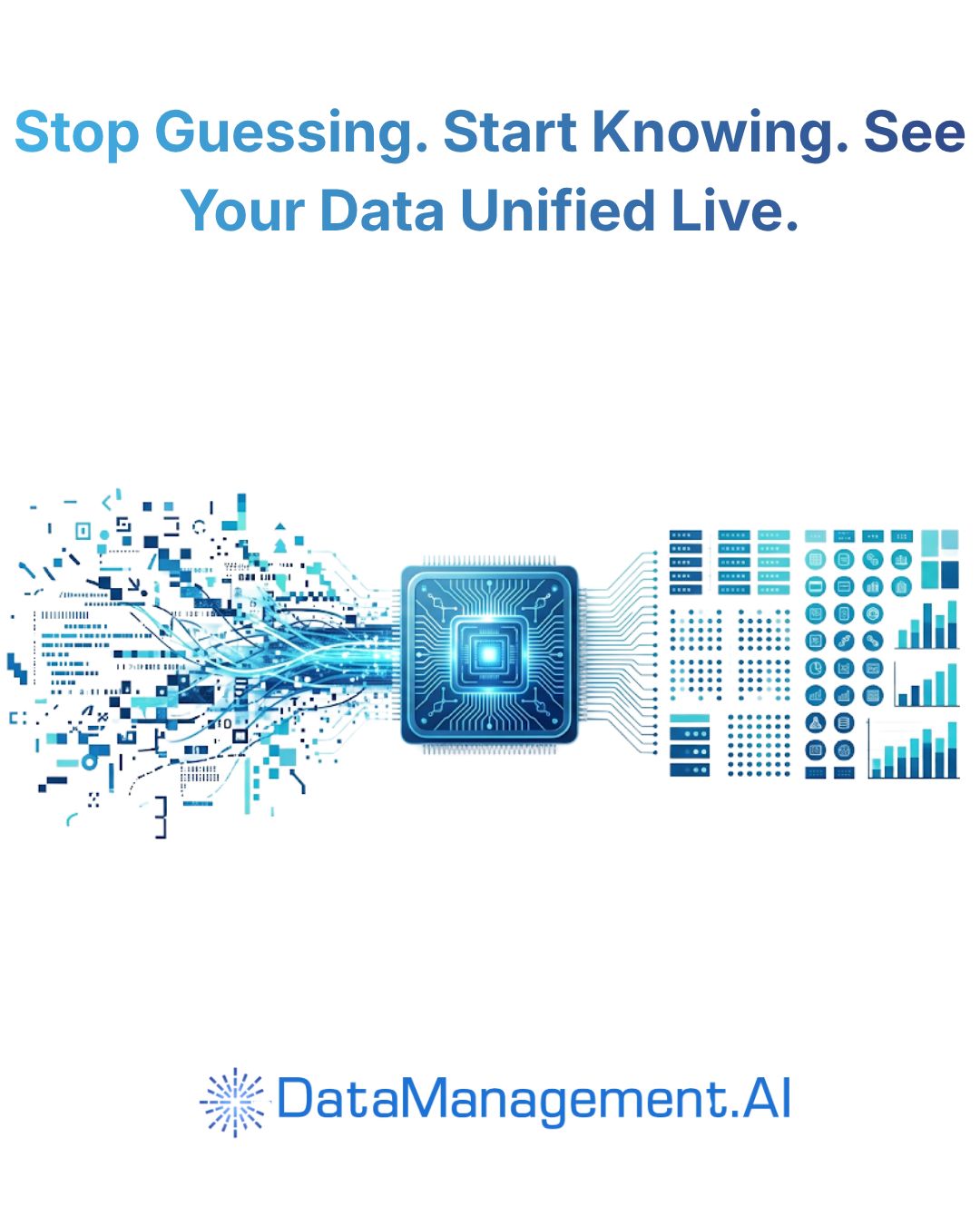
DataMigration.AI connects your existing retail systems, whether on-premise or cloud-based, into a single governed data environment that updates in real time, giving your team the unified intelligence to make faster, more confident decisions across every part of the business without replacing the systems you already depend on.
One Platform. Every Data Source. Zero Blind Spots.
Our integration layer connects your e-commerce data, POS systems, inventory platform, loyalty records, and supply chain signals into one clean, governed environment. No ripping out what works. Just a layer that makes everything work together.
Your demand forecasting improves because it runs on current, cross-channel signals instead of delayed snapshots. Your customer profiles become actionable because they combine purchase history, browsing behavior, and in-store data into one continuously updated picture.

And if your organization is also navigating a data migration as part of this shift, DataMigration.ai works alongside this platform to move your existing data cleanly and without disruption, so nothing is lost in the transition and your new environment is accurate from day one.
Your leadership team stops waiting for manually assembled reports and starts making real-time decisions they can trust. Your operations teams stop spending 40% of their week reconciling data and start doing the work they were hired to do.
The Disruptions You Need to Be Ready For
The retail organizations prioritizing data management right now will be first to respond decisively when any of these hit:
A sudden supply chain shock that exposes every SKU gap across your locations simultaneously
A demand spike driven by a viral moment your legacy forecasting model never saw coming
A new market entrant is moving faster because their data infrastructure already does what yours does not
A behavioral shift in your core customer segment that your siloed systems detect three weeks too late
You Already Have What You Need. You Just Cannot Use It Yet.
You are generating valuable data at scale every single day across every channel, every location, and every customer interaction. The question is not whether your data is valuable. The question is whether you have built the infrastructure to act on it in real time, or whether it is accumulating in disconnected silos while the window closes around you.
Why Moving First Is the Only Strategy That Makes Sense
Organizations that unify their data now build structural advantages that are genuinely difficult for slower competitors to reverse
Waiting means fixing the problem under pressure, which costs significantly more in both time and capital
Every month of delay compounds inventory errors, missed personalization, and slower decisions across every department
Stop Losing Ground to Slower Data
See Exactly What Unified Retail Data Looks Like for an Organization at Your Scale
Get a personalized walkthrough of how DataManagement.AI connects your specific systems, eliminates your data blind spots, and turns your existing data into a real-time competitive weapon.
Thank you for reading
DataMigration.AI & Team